

TLDR: Great portrait photography starts with intentional lighting. When you understand how light shapes mood, emotion, and form, you can move beyond flat images and create portraits that feel alive.
Key Takeaways:
- Light controls mood, emotion, and visual impact more than any other photography element.
- Different portrait lighting styles communicate different stories.
- Mastering photography lighting basics gives you creative control in any environment.
- Professional portraits come from understanding both natural and artificial light sources.
— — —
Portraits do not need to be bland. Strong lighting choices help portraits stand out and hold attention.
Light is the most important tool a photographer uses to translate creative vision into a finished image. Without thoughtful lighting, even the best subject falls flat.
At its core, light in portrait photography shapes how viewers see a person. Direction, quality, and color of light influence whether a subject appears soft or rugged, approachable or dramatic. Light also guides emotion, storytelling, and visual balance. When used with intention, lighting becomes a creative language rather than a technical afterthought.
This guide explores how lighting for portraits works, from classical techniques to modern studio setups. Learn how different portrait lighting styles affect mood and meaning, and why mastering light separates average images from exceptional ones.
Photography Lighting Basics: Why Light Matters First
Every portrait begins with light. Before lenses, poses, or backgrounds, photographers must evaluate the light source.
Photography lighting basics include:
- Direction
- Intensity
- Color temperature
- Contrast
Light can slim or widen facial features. It can smooth skin or emphasize texture. Side lighting adds depth. Flat lighting removes shadows and minimizes detail. Hard light creates drama. Soft light produces a flattering, gentle look.
In lighting in portrait photography, there is no single correct setup. The goal is alignment between lighting and intent.
A corporate headshot requires clarity and trust. A creative portrait may call for shadow and mystery. The photographer’s job is to choose the lighting approach that supports the story being told.
Portrait Lighting Techniques That Elevate Professional Work
Strong portrait lighting techniques combine technical knowledge with artistic instinct. Photographers evaluate facial structure, skin tone, and personality before placing lights. They choose modifiers that complement rather than overpower the subject.
The best lights for portrait photography support the subject’s story. They never distract from expression or connection. Mastery comes from practice, experimentation, and critical observation of how light behaves in different scenarios.
Here are the key styles of lighting for portraits.
Ambient Light Photography: Working With What Exists
Natural and existing light often shape the mood before any artificial source enters the scene. Ambient light photography relies on light already present, such as window light, streetlights, or interior fixtures.
Ambient light for photography can feel authentic and emotional, but it demands control. Window light may be soft and flattering in the morning, then harsh and unbalanced later in the day. Overhead lights can create unflattering shadows under eyes and noses.
It is important to assess ambient light before adding modifiers or strobes. Then you can decide whether to enhance it, soften it, or overpower it.
When handled well, ambient light produces portraits that feel natural and timeless. When ignored, it becomes distracting or unflattering.
Studio Portrait Lighting: Precision and Control
 Studio environments allow full control over lighting variables. Studio portrait lighting removes unpredictability and gives photographers the ability to shape light precisely. With intentional placement of key lights, fill lights, and background lights, photographers sculpt the subject with purpose.
Portrait studio lighting often uses softboxes, umbrellas, grids, and reflectors to control spread and contrast. These tools help maintain consistency across sessions and ensure repeatable results. Studio lighting also makes advanced techniques easier to execute, including dramatic shadow patterns and refined highlights.
Control does not mean rigidity. Skilled photographers adjust lighting ratios and angles to suit each subject, ensuring portraits feel customized rather than mechanical.
Rembrandt Lighting: A Timeless Classic
The Dutch masters understood the emotional power of light centuries before photography existed. Their influence lives on through Rembrandt lighting, a classic portrait technique named after the painter Rembrandt van Rijn.
A Rembrandt lighting portrait features a small triangle of light beneath the eye on the shadowed side of the face. This pattern creates depth, dimension, and visual interest without overwhelming the subject. Lighting Rembrandt style works well for expressive, character-driven portraits.
Photographers use this technique to add sophistication and drama while maintaining realism. It suits artists, executives, and editorial-style portraits. When executed correctly, it balances shadow and highlight in a way that feels intentional rather than harsh.
High-Key Lighting: Bright, Clean, and Optimistic
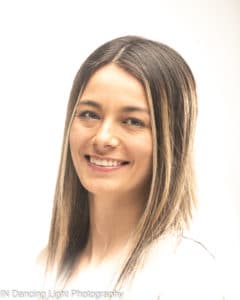 High-key lighting removes heavy shadows and emphasizes brightness. High key lighting photography creates images with soft light, low contrast, and minimal shadow detail.
This style often uses large light sources and diffusion to evenly illuminate the subject.
High-key portraits suggest openness, positivity, and approachability. They work well for beauty, lifestyle, and branding images where warmth and clarity matter. This style also simplifies retouching and requires very minimal lighting adjustments from image to image.
The trade-off is reduced drama. High-key lighting rarely communicates tension or mystery. It excels when the goal is friendliness, transparency, and joy.
Low-Key Lighting: Drama Through Contrast
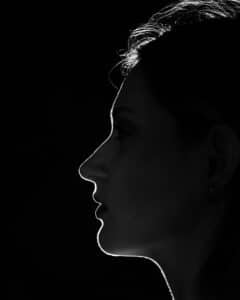 Low-key portraits lean into shadow. Low key photography lighting reduces highlights and midtones, allowing darkness to dominate the frame.
Low key lighting photography uses focused light to draw attention to specific facial features or expressions.
This approach often overlaps with chiaroscuro lighting, an Italian term describing strong contrast between light and dark. Chiaroscuro evokes cinematic emotion, intimacy, and intensity. It suits artistic portraits, musicians, athletes, and conceptual work.
Low-key lighting demands precision. Small adjustments in light placement dramatically affect mood. When done well, it creates powerful images that command attention.
Strobe Light Photography: Freezing Motion and Shaping Light
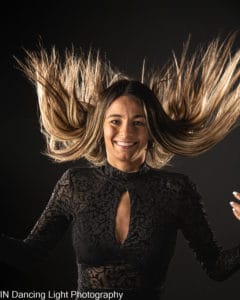 Strobes add versatility and control. Strobe light photography uses brief bursts of light that last fractions of a second. This makes it possible to freeze motion and maintain sharp detail, even in dynamic scenes.
A photography strobe light allows photographers to overpower ambient light or blend with it creatively. Photography strobe lighting works well for studio portraits, environmental portraits, and action-based imagery.
Strobes also offer consistency. Once dialed in, settings remain stable from frame to frame. This reliability helps photographers focus on expression and composition rather than constant exposure changes.
Color Temperature: Setting Emotional Tone
Warm light, with golden or amber tones, feels inviting and romantic. It mimics candlelight and sunset, which humans associate with comfort and intimacy. Warm tones can also suggest intensity or passion when pushed further into the spectrum.
Cool light introduces blues and silvers. These tones suggest calm, introspection, or distance. Cool lighting can also feel clinical or dramatic depending on contrast and context.
Always adjust white balance and light sources intentionally to support the emotional goal of the portrait.
Let Light Tell Your Story
Lighting transforms portraits from ordinary to memorable. When photographers understand how to shape light, they gain full creative control over mood, emotion, and storytelling. From ambient light to studio strobes, each lighting choice communicates intention.
IN Dancing Light Photography is an Indianapolis photographer that brings a deep understanding of lighting to every portrait session. Our approach combines technical skill with artistic insight to create images with clarity, depth, and emotional resonance.
If you want portraits that feel intentional and expressive, work with a professional portrait photographer who understands light as both a tool and an art form.
Ready for portraits that truly stand apart? Let’s book your shoot.
FAQs
What is the best lighting for portraits?
The best lighting depends on the mood and purpose of the portrait. Soft light works well for flattering images, while directional light adds drama and depth.
What are the most common portrait lighting styles?
Common styles include Rembrandt lighting, studio lighting, strobe lighting, high-key lighting, low-key lighting, and natural ambient lighting. Each style communicates a different emotion.
How does Rembrandt lighting differ from other techniques?
Rembrandt lighting creates a small triangle of light on the shadowed side of the face, adding depth without heavy contrast.
Is studio lighting better than natural light for portraits?
Studio lighting offers control and consistency. Natural light feels organic but changes throughout the day. Professionals often combine both.
What is chiaroscuro lighting in portrait photography?
Chiaroscuro lighting uses strong contrast between light and shadow to create dramatic, cinematic portraits.
Why do professional photographers use strobes?
Strobes provide consistent, powerful light that freezes motion and allows precise control over exposure and contrast.
How do I choose the right Indianapolis portrait photographers?
Look for experience, a strong portfolio, and a clear understanding of lighting techniques. Skilled Indianapolis photographers like In Dancing Light prioritize lighting as part of their creative process.
0 Comments